Fishing Line Breaking Strength Testing Standards Explained
Fishing line breaking strength is one of the most critical performance measures for both manufacturers and users. But without clear testing standards, comparing the strength of different lines can be misleading. Manufacturers, retailers, and brands must understand how factors like testing method, knot performance, and reporting standards impact the numbers. Let’s break it down.
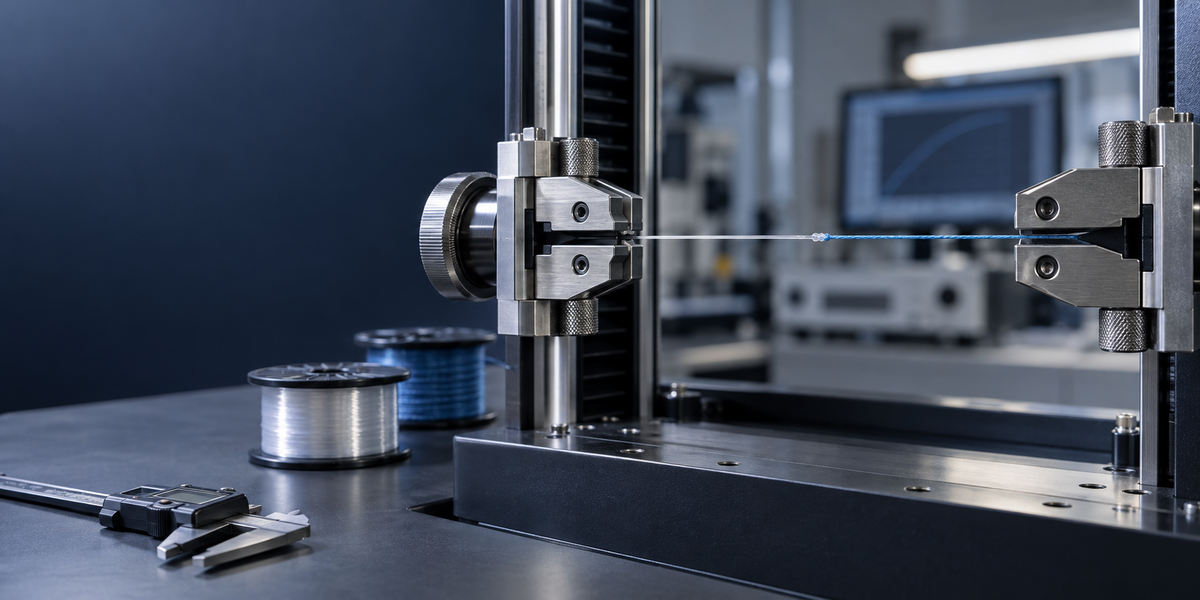
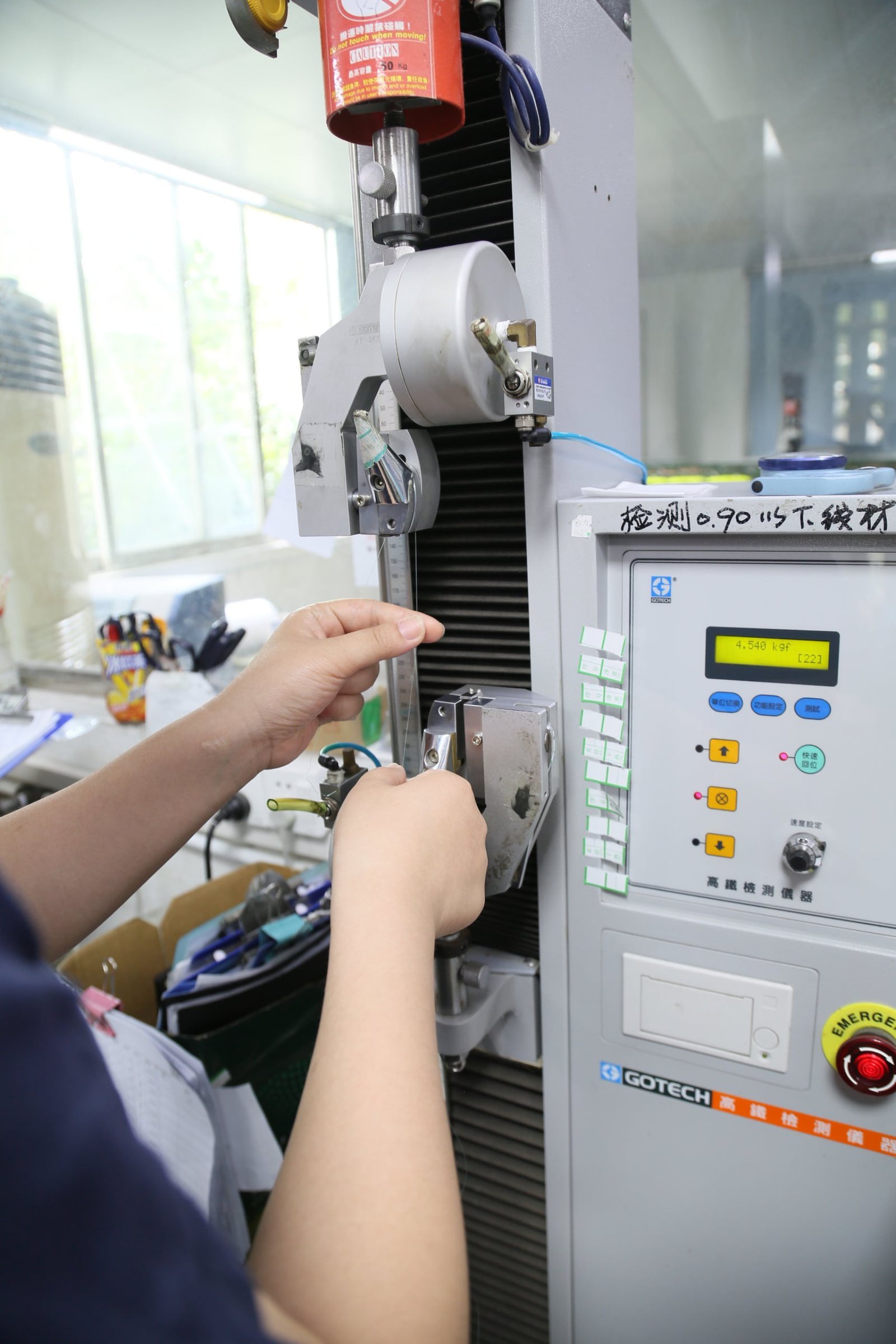
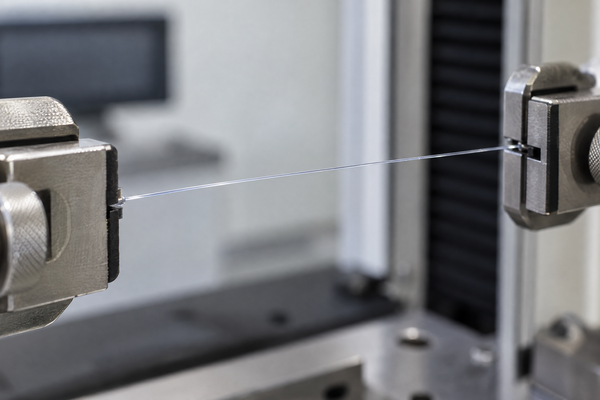
Fishing line breaking strength is only comparable when testing methods are standardized.[^1] Variables like gauge length, testing speed, grip design, sample conditioning, and quantity can all affect results.
 Explore More Fishing Line Products
By digging deeper into the standards that govern these tests, we can help buyers promote fairer comparisons and ensure consistent quality in their products.
Why is breaking strength testing important?
Breaking strength serves as a key indicator of a fishing line’s reliability.
Breaking strength directly impacts a fishing line’s ability to perform in extreme fishing conditions.[^2] Understanding and comparing the right numbers ensures buyers and users can trust the line to meet their application needs.
 Explore More Fishing Line Products
But here’s the catch: testing results aren't always as transparent as they seem. The way testing is conducted plays a big role in what conclusions you can actually draw about a product.
The issue with inconsistent testing
Without standard testing methods, numbers on a label can be deceiving. For example:
- A "30 lb" fishing line tested at one speed and gauge length may not be equivalent to a "30 lb" line tested under different conditions.
- Some retailers or manufacturers may report the highest value from a single test instead of the average or minimum, creating misleading comparisons.
- Straight-line breaking strength results alone don’t account for knot strength, which is often more critical in real fishing scenarios.
Understanding these nuances helps buyers avoid surprises and negotiate clearer quality expectations with suppliers.
What are the standards for fishing line breaking strength testing?
Testing standards ensure consistent and reliable strength data.
ISO 1805 governs breaking strength and knot performance for fishnets, while ISO 2307 provides guidance on testing rope strength.[^3] Buyers and suppliers must agree on which standards are applicable for fishing lines and adjust methods accordingly.
 Explore More Fishing Line Products
ISO standards may seem technical, but they’re critical in ensuring that testing is representative and repeatable. Here’s how they work:
ISO 1805: Focused on netting material
ISO 1805 handles testing for netting materials, covering both straight-line tensile strength and knot-breaking strength. While netting material and fishing lines differ in some mechanical properties, the approaches outlined in ISO 1805 help improve testing accuracy for fishing line comparison too.
ISO 2307: Applied to ropes and cords
Another standard relevant for fishing lines is ISO 2307, which focuses on ropes and small diameter cords. It defines testing procedures for general tensile strength. These methods might include some adjustments for monofilaments or multifilaments, such as the gripping design.
What’s missing: Retail fishing line standards
Many consumers expect retail fishing line strength to follow unified standards. However, such retail-specific ISO testing standards have not yet been developed. Instead, manufacturers and buyers must work within existing testing frameworks, adapt methods responsibly, and define clear reporting practices.
Key takeaway: Uniformity matters
Without an agreed-upon standard, identical strength labels from two suppliers may reflect entirely different results. Always communicate with your supplier about which guidelines they follow (if any) for conducting breaking strength tests.
What factors affect strength test outcomes?
Testing fishing line strength is not as simple as "Pull and measure." Several factors can skew the results:
- Gauge length: The length of the sample between clamps impacts mechanical stretch behavior during testing.
- Stretching speed: The speed at which force is applied can cause differences in strength, especially for flexible or stretchy materials.
- Clamps and grips: Poorly designed clamps can cause slippage or local strain concentration, falsely reducing the reported strength value.
- Sample conditioning: Environmental conditions, such as humidity or temperature, should be standardized before testing, as these can significantly affect strength for specific materials like nylon.[^4]
- Sample quantity: Results from too few samples may not reliably represent a full production batch.[^5]
To ensure accuracy, buyers should demand detailed documentation regarding these factors alongside test reports.
Why should knot strength be tested separately?
Straight-line breaking strength only tells us so much. In real-world fishing scenarios, it’s the knot strength that often determines whether a line holds or breaks.
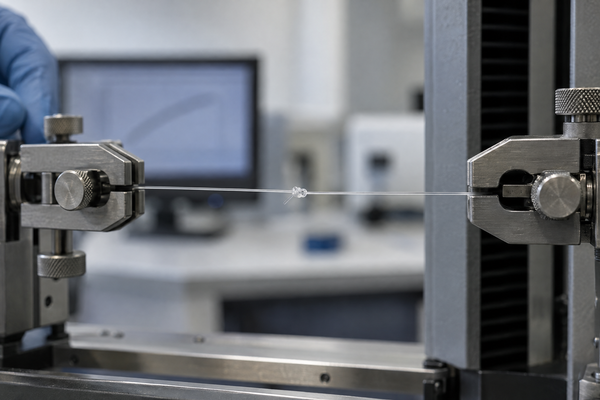
Straight-line breaking strength measures the material and structure’s base strength, while knot strength reflects real-world stress at connection points. Both are critical for evaluating fishing line performance.
 Explore More Fishing Line Products
How does knot strength differ?
When tied in a knot, the fishing line is subjected to bending stresses that weaken its effective strength. For example:
- Knot strength often measures 70–80% of the straight-line breaking strength (sometimes lower, depending on the knot type and line material).
- Testing knot strength can help identify compatibility issues between the line's material, diameter, and common fishing knots.[^6]
Industry standards for knot strength
Knot strength testing is less universally standardized than straight-line tests.[^7] However, ISO 1805 provides a basic framework for testing knot-breaking forces using common knots.
As a buyer, you should check whether knot performance data from your supplier aligns with your target market’s application needs.
What should quality reports include?
A good test report should cover more than just a single impressive number.
Breaking strength reports should include average, minimum, and maximum values along with variability. Reporting only the highest value cannot represent the product’s overall performance.[^8]
Explore More Fishing Line Products
Some other points to look for in test reports:
- Data distribution: Strength variability within a batch shows consistency or lack thereof across production.
- Weak point analysis: Observations of where samples failed (e.g., slippage, clamp damage) help determine if results are reliable.
- Outlier management: Reports should explain how they handle extreme low and high results — deleting unfavorable data should not be allowed.
Specifying these details within your product’s quality agreement ensures suppliers cannot manipulate test outcomes post-production.
What role do buyers and suppliers play in testing?
Breaking strength results are most reliable when buyers and suppliers collaborate.
Buyers must define their needs, including:
- Application-specific load requirements
- Testing environments for line prototypes
- Inclusion of both straight-line and knot strength testing
- Specification of testing standards, such as ISO 1805 or ISO 2307
Suppliers, on the other hand, should align their methods transparently and clearly share testing limitations. By creating a mutual agreement, both parties support more predictable production outcomes.
Frequently Asked Questions
What is considered a good breaking strength for fishing lines?
A “good” breaking strength depends on the fishing method, target species, and environmental conditions. For example, freshwater anglers often use lower-rated lines (10 to 20 lbs), while saltwater applications demand much higher strengths (50+ lbs).
Why does my fishing line fail below its rated strength?
Multiple factors can cause line failure below its labeled breaking strength, including knot failure, wear, environmental conditions, or inconsistent production quality. Always verify both knot and straight-line strength.
How do straight-breaking strength and knot strength compare?
Knot strength is usually 20–30% lower than straight-breaking strength due to stress concentrations created at the knot. Testing both ensures more realistic performance data.
Should I use ISO standards for retail fishing lines?
While no retail-specific ISO exists, ISO 1805 and ISO 2307 provide valuable frameworks. Agree with your supplier on testing methods to ensure consistency regardless of the absence of retail-specific standards.
Can a single test result represent a batch?
No. A single test result cannot represent an entire production batch.[^9] Reports should include the average, minimum, and variability of testing data.
Conclusion
Breaking strength testing is a cornerstone of fishing line quality control, but it’s not as simple as comparing numbers on a label. By understanding standardized methods, accounting for knot performance, and demanding transparent data, buyers can ensure their fishing line products perform reliably in the field.
Reliable performance starts with measurable quality. Collaborate with your suppliers to test fishing line breaking strength using agreed standards and ensure your products win customer trust.
Ready to discuss breaking strength testing for your fishing line project? Contact us today to ensure your lines meet both application and market demands!
[^1]: "Testing Improves Performance as Well as Assesses Learning", https://pmc.ncbi.nlm.nih.gov/articles/PMC10229024/. Standardized testing methods, such as those outlined in ISO standards, ensure consistent and comparable results for material strength measurements, including fishing lines. Non-standardized methods can introduce variability due to differences in testing conditions or procedures. Evidence role: general_support; source type: research. Supports: Standardized testing methods are necessary for accurate comparison of fishing line breaking strength.. [^2]: "What Causes Anglers to Leave Behind Less Fishing Line and ...", https://ncseagrant.ncsu.edu/hooklinescience/what-causes-anglers-to-leave-behind-less-fishing-line-and-other-litter/. Research indicates that higher breaking strength in fishing lines correlates with improved performance in demanding fishing scenarios, such as deep-sea or heavy-load fishing. Evidence role: general_support; source type: research. Supports: Breaking strength is a critical factor in determining a fishing line's reliability under extreme conditions.. [^3]: "ISO 1805:1973 - Fishing nets", https://www.iso.org/standard/6444.html. ISO 1805 specifies methods for testing the breaking strength and knot performance of fishnets, while ISO 2307 outlines procedures for determining the tensile strength of ropes and cords. Evidence role: definition; source type: institution. Supports: ISO 1805 and ISO 2307 provide guidelines for testing breaking strength and knot performance in related materials.. Scope note: The standards are not specifically designed for retail fishing lines but can be adapted for such applications. [^4]: "The Impact of Destructive Climatic Factors on the Mechanical ...", https://pmc.ncbi.nlm.nih.gov/articles/PMC12250640/. Studies on polymer materials, including nylon, show that environmental factors like humidity and temperature can alter tensile strength and elasticity. Evidence role: mechanism; source type: research. Supports: Environmental conditions like humidity and temperature can significantly affect the strength of materials such as nylon.. [^5]: "Impact of Sample Size and Deformation Measurement ... - PMC", https://pmc.ncbi.nlm.nih.gov/articles/PMC13027602/. Statistical analyses in material testing demonstrate that small sample sizes increase variability and reduce the reliability of batch strength assessments. Evidence role: statistic; source type: research. Supports: Insufficient sample sizes can lead to unreliable representations of a production batch's strength.. [^6]: "Fishing Line Types and How-To Use Them", https://www.youtube.com/watch?v=Tp6UZeOQ5HU. Research on fishing line performance indicates that knot strength testing is essential for identifying material and diameter compatibility with specific knot designs. Evidence role: mechanism; source type: research. Supports: Knot strength testing can reveal compatibility issues between fishing line materials and knot types.. [^7]: "Knot Strength Varies Widely Among Expert Arthroscopists", https://pubmed.ncbi.nlm.nih.gov/24925142/. Experts in material testing note that while straight-line tensile tests are widely standardized, knot strength tests vary significantly across industries and applications. Evidence role: expert_consensus; source type: research. Supports: Knot strength testing lacks the universal standardization seen in straight-line strength tests.. [^8]: "Recreational Fishing Survey and Data Standards", https://www.fisheries.noaa.gov/recreational-fishing-data/recreational-fishing-survey-and-data-standards. Material testing guidelines emphasize the importance of reporting averages and variability to provide a comprehensive view of product performance. Evidence role: general_support; source type: research. Supports: Reporting only the highest value in strength tests does not accurately represent overall product performance.. [^9]: "fishing line tests", https://www.uakron.edu/polymer/agpa-k12outreach/lesson-plans/fishing-line-tests. Quality control studies in manufacturing show that single test results fail to capture batch-wide variability, leading to potential misrepresentation of product quality. Evidence role: statistic; source type: research. Supports: Single test results are insufficient to represent the variability and reliability of an entire production batch..