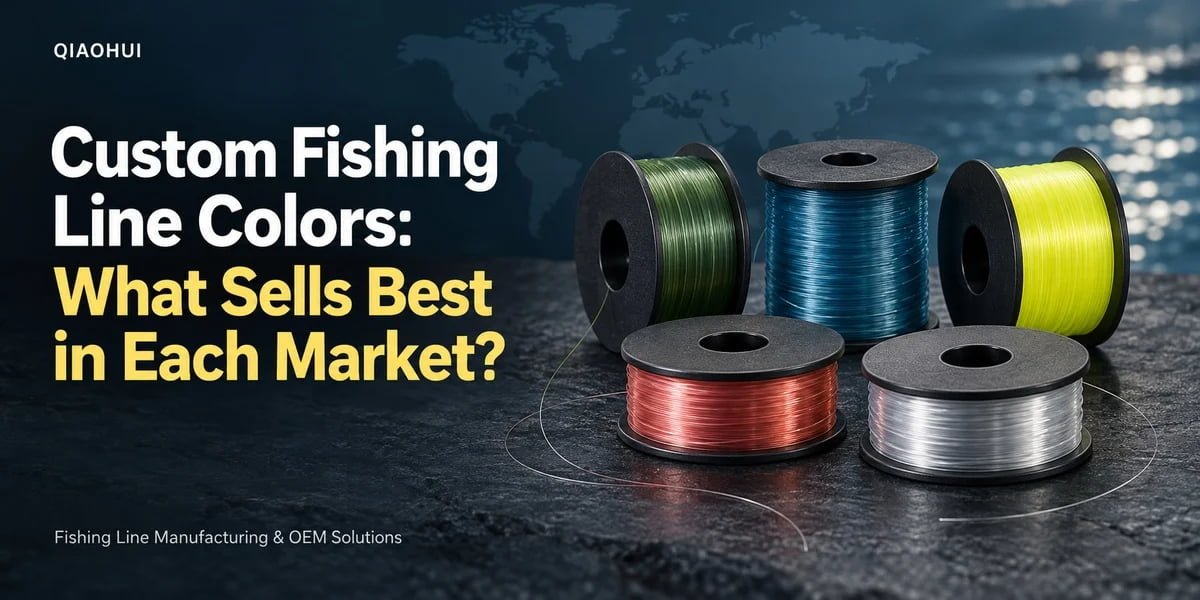
Custom Fishing Line Colors: What Sells Best in Each Market?
Choosing the right fishing line color is not simply about labeling it for one country or region. The best-selling colors depend on the water environment, fishing technique, and visibility needs[^1]. While clear, moss green, high-visibility yellow, and multi-colored braided lines all solve different problems, picking the right color can make or break your product's success. Let’s dive deeper into what works best where — and why color consistency is non-negotiable.
Fishing line colors should match the fishing environment and technique, not just regional preferences. Clear, moss green, high-visibility yellow, and multi-colored braided lines serve unique purposes but need tested color consistency before mass production.
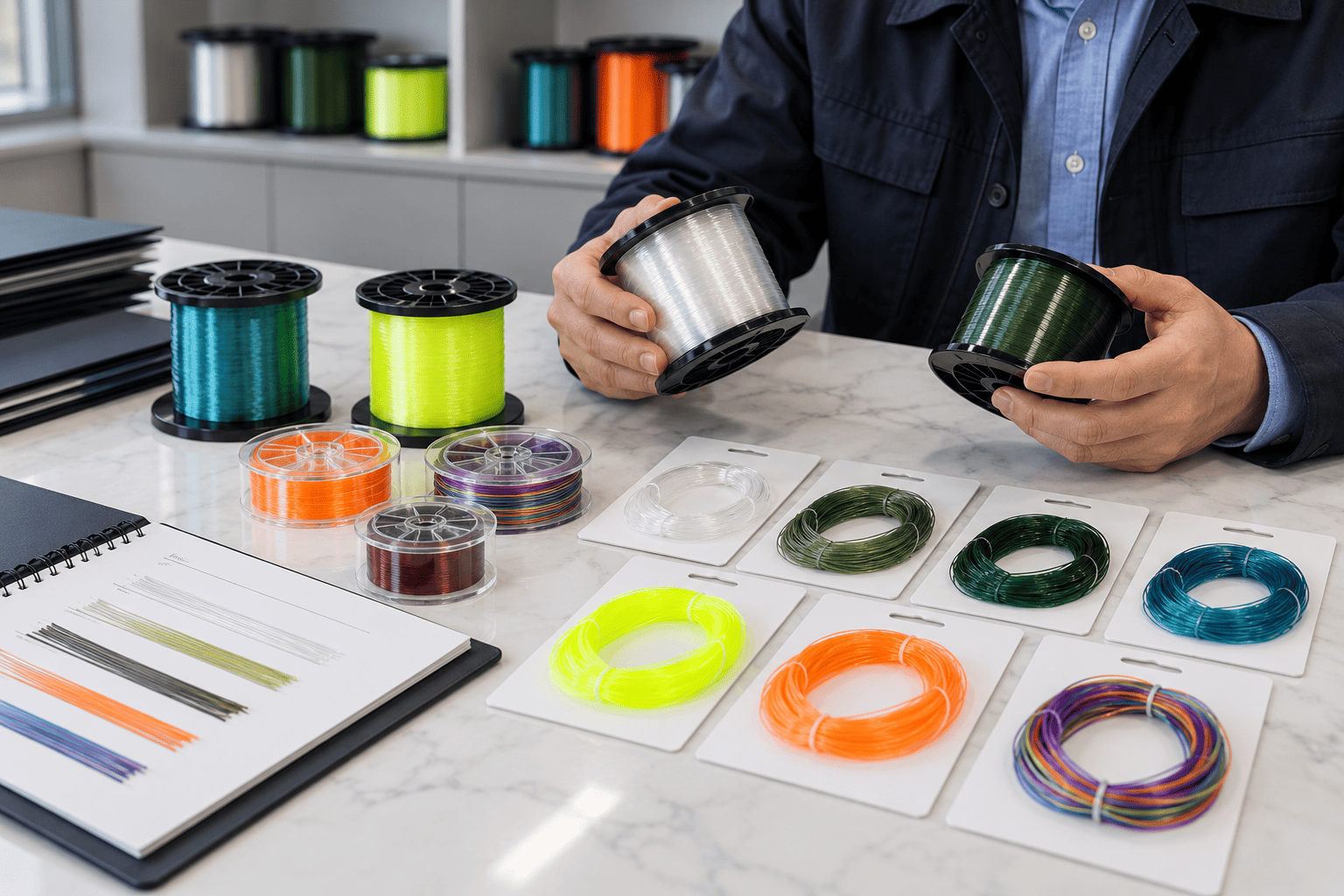
Each market has its own quirks, but the one universal rule is this: successful colors come down to more than aesthetics. Let’s break it all down.
Why does fishing line color matter?
Fishing line color isn’t just cosmetic; it plays a functional and psychological role in fishing success.
The main reason colors matter is visibility — or lack thereof. Anglers often need their fishing line to be nearly invisible underwater or highly visible above it, depending on the application. Clear lines may blend into the environment, while bright lines can alert anglers to strikes. The wrong color choice can lead to poor fishing results and customer complaints.
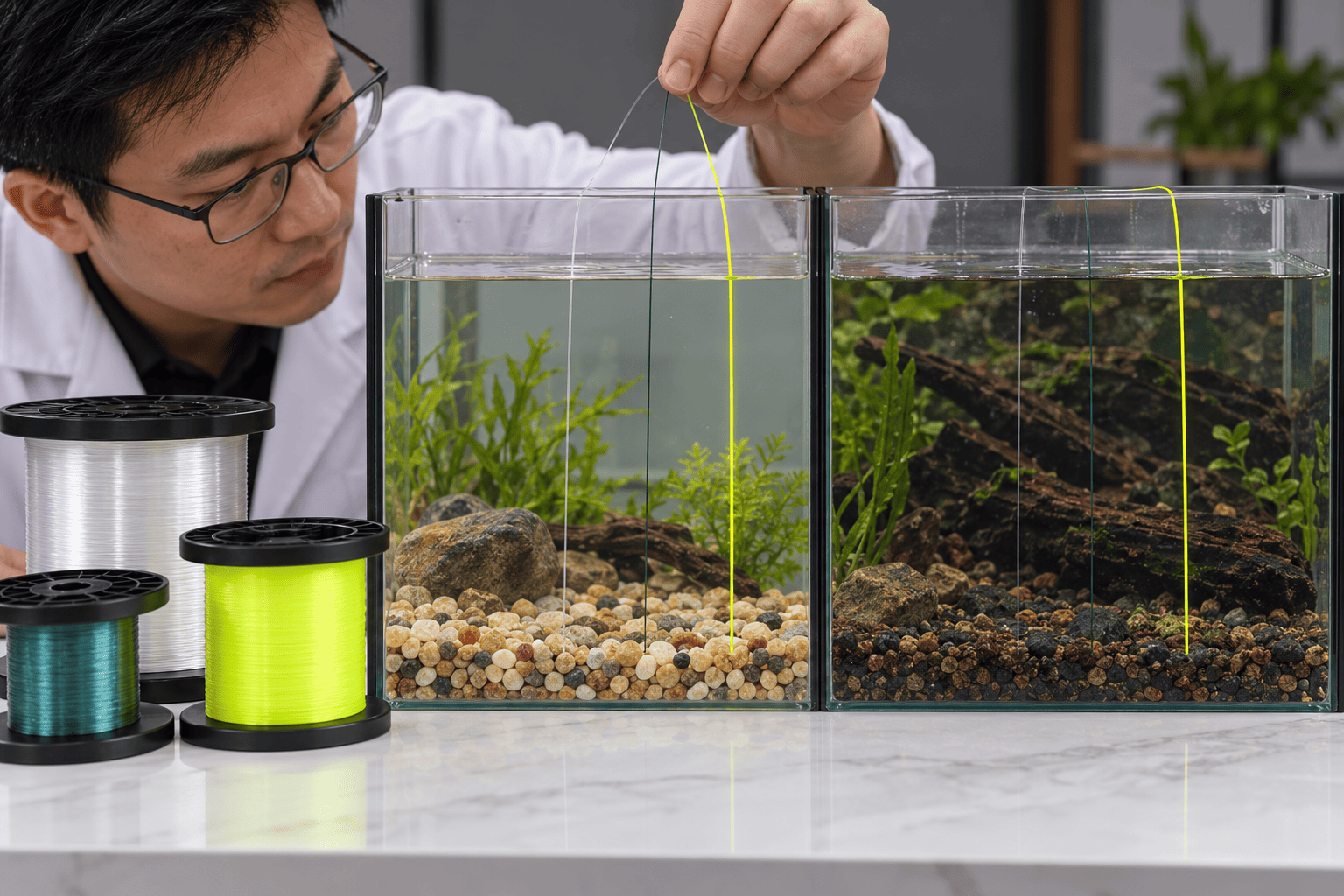
Breaking it down:
- Water Clarity: Clear and moss green work best for clear freshwater environments[^2] since they blend into the surroundings.
- Fishing Depth: Fluorocarbon lines are often clear and nearly invisible deeper underwater[^3]. For offshore fishing, red and blue braided combinations are popular.
- Above-Water Visibility: High-vis yellow or orange makes detecting line movement easier[^4] during active fishing.
- Regional Preferences: While cultural preferences exist, functional needs often overlap. For instance, clear nylon lines perform well universally.
The balance between visibility, strength, and perception is what buyers must consider — which brings us to market-specific trends.
What are the most popular fishing line colors?
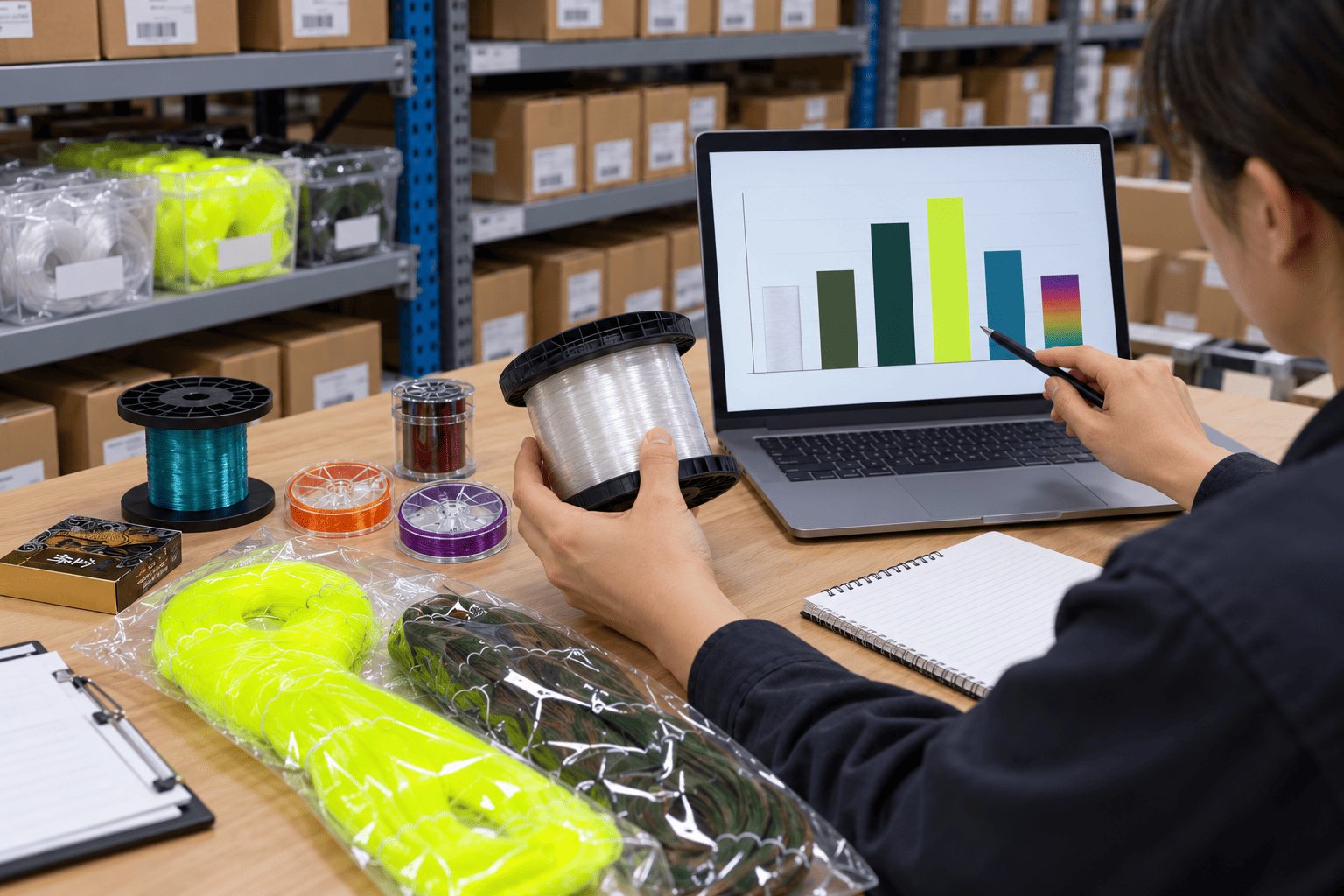
Fishing line colors that perform well vary globally, but core colors like clear, moss green, and yellow dominate sales[^5]. Let’s cover the top-performing categories and their applications.
1. Clear: The most versatile and widely sold fishing line color. Works well in clear water. Popular in both fresh and saltwater markets.
2. Moss Green: Ideal for freshwater areas with vegetation; blends into underwater greenery.
3. High-Vis Yellow/Orange: Great for murky water or situations requiring above-water visibility. Loved in competitive and offshore fishing.
4. Multi-Colored Braids: Best for offshore fishing or depth targeting. Combines functionality with aesthetics.
5. Black/Blue: Less common but sometimes favored for specific types of bottom fishing.
Practical tip:
Start with 2–3 basic colors when introducing a new product. Once you gather sales feedback, you can introduce additional regional colors. This strategy minimizes inventory and production complexity.
How can buyers ensure color consistency during production?
When it comes to manufacturing, color consistency is critical for branding and customer satisfaction. No one wants a mismatched batch or a color that fades after a few fishing trips.
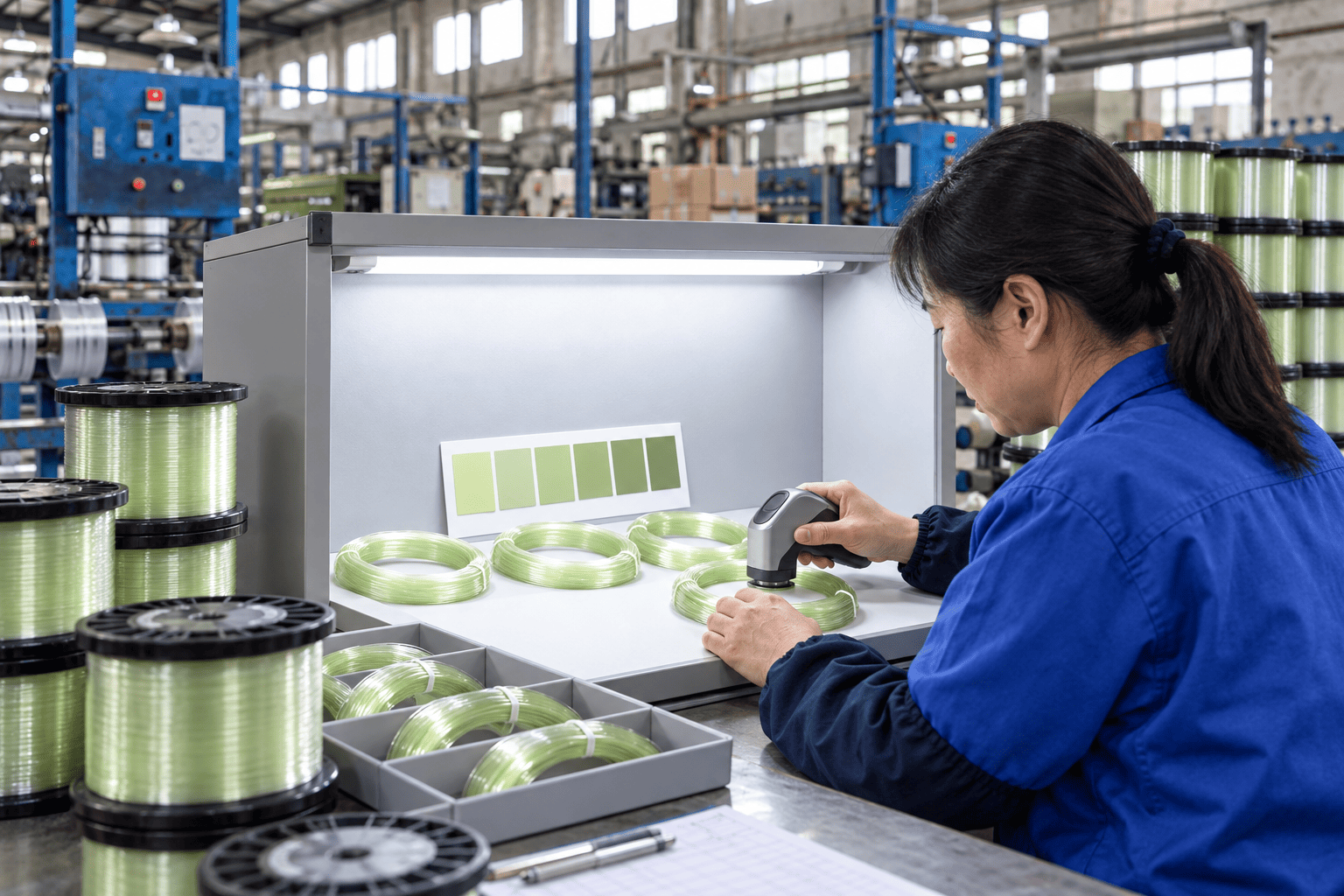
Color specification needs to be locked before production[^6]. This includes agreeing on a master sample, defining allowed color variation, and selecting a standard light source for color matching.
Key steps to ensure consistency:
- Master Color Samples: Approve physical samples of new colors before production begins. This ensures the manufacturer matches your target.
- Color Difference Testing: Measure ΔE (the color difference value) against your standard sample[^7]. The smaller the number, the better.
- Light Source Agreement: Always check for color under the same light source, as colors reflect differently in varying lighting.
For vivid colors like yellows or oranges, extra tests — like coating adherence, fade resistance, and water immersion tests — are crucial to confirm lasting quality.
How does color affect product cost and complexity?
Adding custom colors to your fishing line products will increase costs and operational complexity. Each new color increases raw material requirements, complicates production, and demands space in your stock.
Here’s why:
Cost drivers for custom colors:
| Cost Factor | Impact |
|---|---|
| Dye Materials | Bright, vibrant dyes are often more expensive[^8] than those used for standard colors, which may increase manufacturing costs. |
| Production Line Changes | Switching colors requires line cleanup, resulting in additional labor costs and time. |
| Batch Size | Minimum production runs for custom colors may raise unit costs, especially for small orders. |
| Quality Control | Vivid colors require more intense QC processes (e.g., scratch/fade tests, consistent dye coverage) than natural, low-visibility tones. |
Would-be buyers should prioritize the most marketable colors while reducing SKU clutter. Start small; scale up only once core products perform profitably.
Why test colors beyond just appearance?
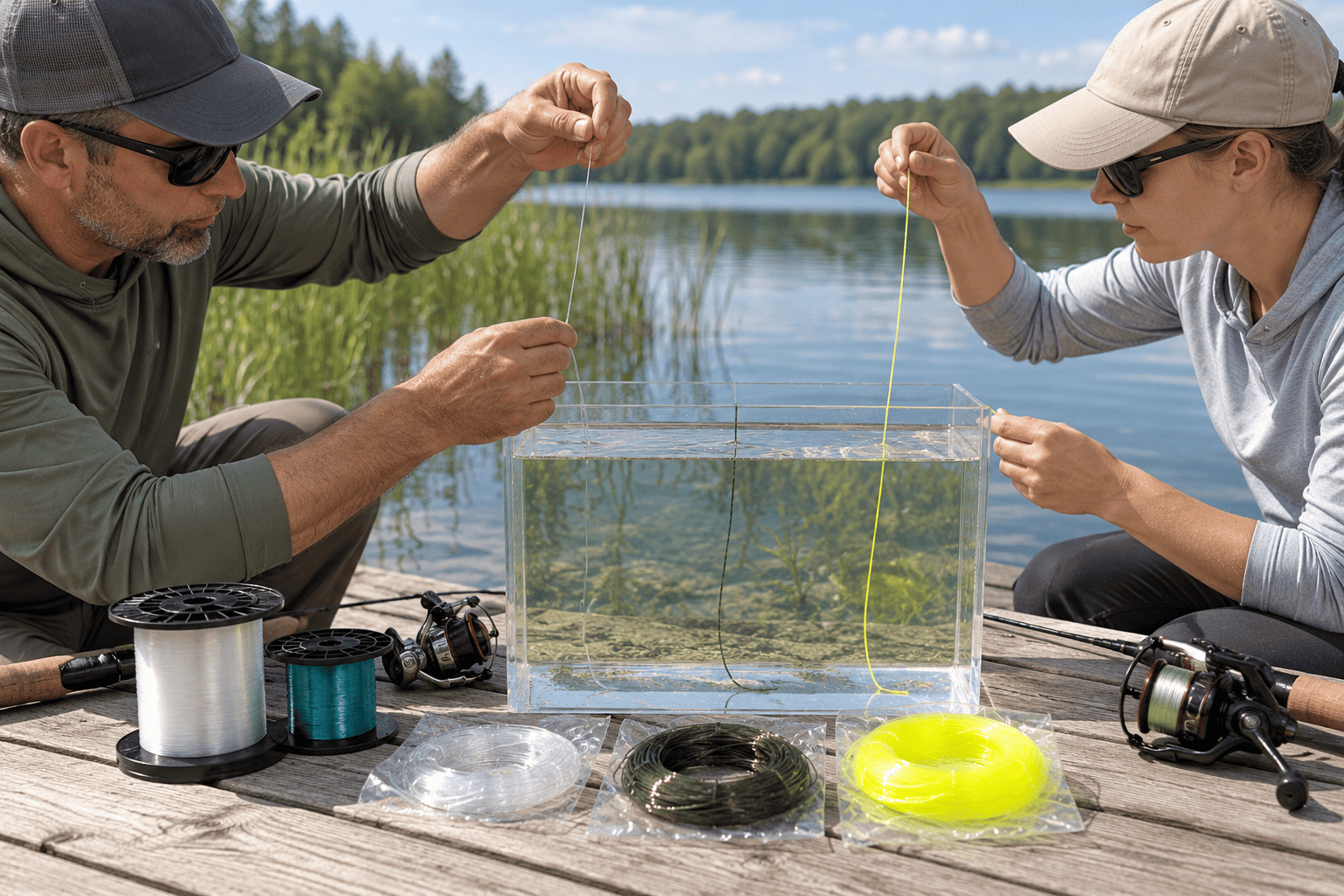
It’s tempting to approve a fishing line based only on its appearance on a freshly wound spool — but this doesn’t tell the whole story. Color performance must also be tested for durability.
High-visibility colors, for example, are prone to fading due to sunlight and prolonged water exposure. Even darker colors like moss green must be checked for how they handle abrasion.
Real-world scenarios to test:
- Fading in Sunlight: Simulate hours of sun exposure with accelerated UV testing.
- Color Leaching: Soak lines in water to identify if the color stains hands or fishing gear.
- Abrasion Resistance: Check for visible scratches after friction tests.
Always evaluate under the toughest conditions your customers are likely to face.
For custom colors, it’s safest to work with manufacturers who control both the line material and the winding process. Poor coordination between these two steps often leads to QC issues.
Frequently Asked Questions
Are vibrant fishing line colors worth the cost?
For high-visibility applications, bright colors like yellow can drive sales despite extra costs. However, confirm fading and colorfastness before committing to mass production[^9].
Can the fishing environment change color effectiveness?
Yes. Clear lines thrive in clear water with minimal vegetation, while moss green suits weed-heavy lakes. Test colors to match their intended fishing environment.
Should I offer multi-color braided lines?
Multi-color braids are popular for offshore fishing or depth marking[^10]. They can attract attention on store shelves but require rigorous testing for color bleed and fade resistance.
How many colors should I start with in new markets?
Start with 2–3 colors tailored to versatile fishing conditions. Clear, moss green, and high-vis yellow are great starting options[^11].
What causes color differences between production batches?
Inconsistent dye mixing, uncalibrated machines, and unapproved substitutions during production. Always use an approved master sample and perform consistent quality checks.
Conclusion
Choosing the right custom fishing line colors means meeting the functional needs of different fishing environments while maintaining strict quality standards. Popular colors like clear, moss green, and high-visibility yellow dominate most markets, but vivid colors require extra care in production and testing. Don’t forget: color consistency and durability are just as important as the initial design.
If you’re planning to introduce custom-colored fishing lines, start small, work closely with a manufacturer that controls both materials and processing, and test extensively. Ready to create fishing line products built for your customers' markets? Let’s start with a conversation!
[^1]: "Does fishing line color matter?", https://www.facebook.com/groups/skywaymisfits/posts/2125310727882689/. Studies on fishing line visibility suggest that environmental factors like water clarity and fishing depth significantly influence the effectiveness of different colors. Evidence role: general_support; source type: research. Supports: Fishing line color preferences are influenced by water environment, fishing technique, and visibility needs.. [^2]: "You'll Never Think of Fishing Line the Same After Watching This", https://www.youtube.com/watch?v=fRpO4Blwj8U. Research on fishing line visibility in freshwater environments indicates that clear and moss green lines are less detectable to fish in clear water. Evidence role: general_support; source type: research. Supports: Clear and moss green fishing lines are effective in clear freshwater environments.. [^3]: "Fluorocarbon vs. Monofilament Lines - Visibility Test Underwater", https://www.youtube.com/watch?v=vMNuKp-RNEs. Fluorocarbon fishing lines are known for their low visibility underwater because their refractive index closely matches that of water, reducing light refraction. Evidence role: mechanism; source type: research. Supports: Fluorocarbon lines are nearly invisible underwater due to their refractive index being close to that of water.. [^4]: "Who here uses high-vis line? My first time running some.", https://www.reddit.com/r/Fishing_Gear/comments/eybju7/who_here_uses_highvis_line_my_first_time_running/. Research on fishing line visibility suggests that bright colors like yellow and orange are easier to detect above water, aiding in line movement observation. Evidence role: general_support; source type: research. Supports: High-visibility yellow or orange fishing lines improve the detection of line movement during fishing.. [^5]: "What are the best colors for fishing line from most to least ...", https://www.facebook.com/groups/3243676742558064/posts/4251729201752808/. Market research on fishing line sales indicates that clear, moss green, and yellow are consistently top-selling colors across various regions. Evidence role: statistic; source type: research. Supports: Clear, moss green, and yellow are among the most popular fishing line colors globally.. [^6]: "Why Is Color Measurement Important in Quality Control?", https://www.hunterlab.com/en/blog/why-is-color-measurement-important-in-quality-control/. Manufacturing guidelines emphasize the importance of pre-approved color specifications to ensure consistency across production batches. Evidence role: expert_consensus; source type: education. Supports: Locking color specifications before production is critical for maintaining consistency.. [^7]: "What Is Delta E (ΔE)? Understanding Colour Difference in ...", https://sensing.konicaminolta.eu/mi-en/colourblogtop/colour-blog/whatisdeltae. Educational resources on color science explain that ΔE is a widely used metric for quantifying color differences in manufacturing processes. Evidence role: mechanism; source type: education. Supports: ΔE is a standard metric for measuring color differences to ensure consistency in manufacturing.. [^8]: "A Brief History of Colour, the Environmental Impact of ... - PMC", https://pmc.ncbi.nlm.nih.gov/articles/PMC8270347/. Industry reports on dye manufacturing indicate that vibrant dyes often incur higher costs due to specialized chemical formulations. Evidence role: statistic; source type: research. Supports: Bright, vibrant dyes are generally more expensive than standard colors due to their chemical composition and production processes.. [^9]: "Colorfastness Test Methods for Textiles: Complete Guide", https://www.qima.com/blog/textile/colorfastness-test-methods-for-textiles-guide. Educational resources on manufacturing quality control emphasize the importance of fade resistance and colorfastness testing to ensure product durability. Evidence role: expert_consensus; source type: education. Supports: Testing for fading and colorfastness is a critical step in quality control before mass production.. [^10]: "Why do people use coloured braided fishing line", https://www.reddit.com/r/Fishing_Gear/comments/13q7q5q/why_do_people_use_coloured_braided_fishing_line/. Studies on fishing line applications show that multi-color braided lines are effective for depth marking and are popular among offshore anglers. Evidence role: general_support; source type: research. Supports: Multi-color braided fishing lines are widely used for offshore fishing and depth marking.. [^11]: "Purpose of different colored fishing lines", https://www.reddit.com/r/FishingForBeginners/comments/xg052g/what_is_the_purpose_and_reason_for_different/. Market research on fishing line preferences suggests that clear, moss green, and high-vis yellow are widely accepted and versatile options for new product launches. Evidence role: general_support; source type: research. Supports: Clear, moss green, and high-vis yellow are versatile and popular fishing line colors for entering new markets..