
Fishing Line Added to the U.S.–China Tariff Relief List: What Importers Should Know Before Rates Change
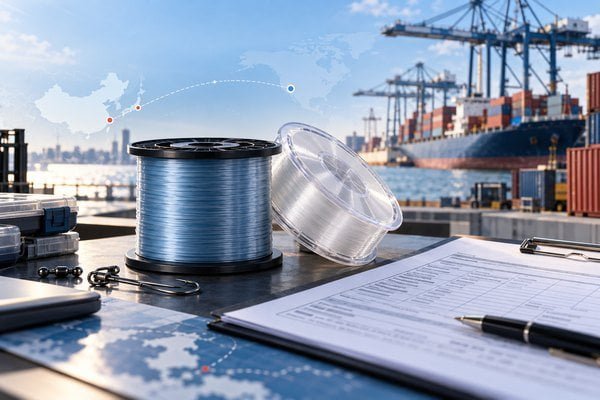
Fishing line has been included in the U.S.–China tariff relief recommendations, sparking interest among importers. However, not all fishing lines are guaranteed to receive reduced rates[^1], and the exact implementation details remain uncertain. Understanding the nuances of tariff classification and packaging could save importers from missteps[^2].
Included fishing line categories—such as retail-packaged fishing lines (HS code 9507.90.20) and leaders (HS code 9507.90.40)—are under evaluation for reduced duties. Importers should confirm classification codes and secure detailed documentation during negotiations to navigate potential tariffs effectively.
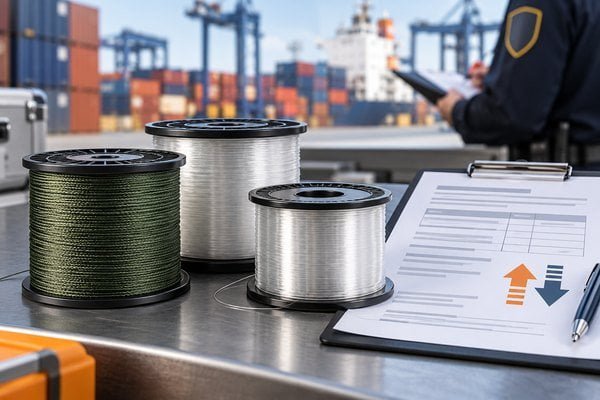
Before you start planning for lighter import costs, let’s dive into what to watch for and how to prepare for these tariff updates.
Does inclusion on the list mean tariffs are already reduced?
Simply seeing fishing line on the list may seem promising, but there’s a catch—tariff reductions aren’t automatic.
Currently, the addition is merely a recommendation. Duties won’t officially change until the process is finalized, which can take weeks or months. Importers shouldn’t assume lower rates immediately or report adjusted rates during customs clearance.
For now, fishing lines are still subject to existing tariff classifications until official amendments are released. Importers need to stay alert for final updates from both U.S. and Chinese trade officials.

Until changes are confirmed, prepare for tariff adjustments by reviewing your sourcing strategy, relevant HS codes, and customs documentation. Building a contingency plan can reduce potential risks[^3].
Are all types of fishing lines covered by the tariff relief?
Not every fishing line qualifies for treatment under the proposed relief list. Specific classifications matter.
The recommendation explicitly mentions two categories:
- Retail-packaged fishing lines (HS code 9507.90.20)
- Fishing leaders (HS code 9507.90.40)
Bulk spools of mother line, industrial monofilament, or semi-finished fishing goods may fall under separate HS codes[^4], which likely won't be covered by the relief. Basically, packaging and product specifications are critical for tariff eligibility.
Importers must verify the exact HS code classification of every item. Improper classification will result in rejected reductions or fines at customs[^5].

It’s worth collaborating with suppliers to clarify details like the nature of retail packaging, spool size, and material specifications in anticipation of customs questions.
Example Classification Outcomes by Packaging
| Fishing Line Type | Likely HS Code | Relief Eligible? |
|---|---|---|
| Retail-packaged spool | 9507.90.20 | Yes |
| Bulk spool with no branding | 5404.11.00 | No |
| Industrial monofilament | 3916.10.10 | No |
These distinctions highlight the importance of transparency in product standards between buyers and suppliers.
Can packaging affect tariff classification?
Yes—how fishing lines are packaged directly impacts tariff classification[^6], and consequently, their eligibility for reduced rates. For instance, the same monofilament line imported in retail packaging could qualify for relief, while the same material in bulk spools might not.
Here’s a quick breakdown:
- Retail small spools (pre-labeled with product information) align with HS codes for sporting goods.
- Unbranded, large bulk spools used for repackaging or industrial applications often fall under industrial or raw material HS codes.
- Semi-finished monofilament imported for further processing may belong under yet another category.
Importers need to strategically consider packaging formats during their negotiations or risk unexpectedly paying higher tariffs for similar products.
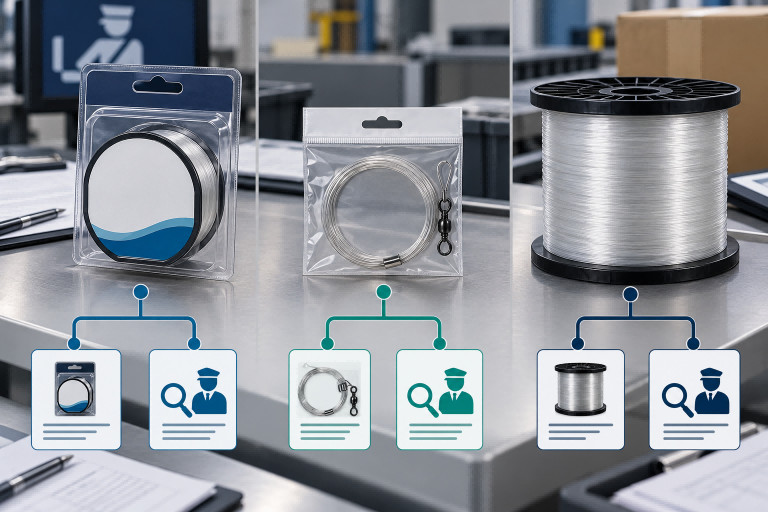
This is an essential factor for anyone working on private-label or OEM fishing lines. Collaborating early with suppliers to align packaging formats with preferential classifications can reduce costs down the line[^7].
What opportunities make sense during this preparation stage?
While tariff reductions aren’t finalized yet, this period offers key opportunities for importers and suppliers to get ahead.
Importers should:
- Review current HS codes for all fishing line products in their inventory.
- Evaluate the potential cost impact under different tariff scenarios.
- Build flexibility into new purchase contracts with terms accounting for tariffs—such as split payments depending on finalized relief statuses.
- Start preparing customs paperwork, including supporting documents that clarify retail packaging details.
Suppliers (like us) can:
- Provide clear product descriptions (material, packaging, weight, etc.) to help U.S. importers ensure tariff compliance.
- Offer customized packaging options for products to match the HS codes for tariff-eligible fishing lines.
- Deliver better country-of-origin documentation, enabling smoother due diligence for lower-duty imports.
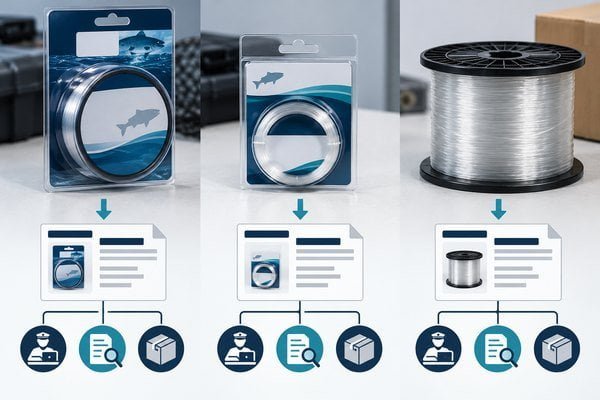
By staying proactive, importers and suppliers can minimize potential disruptions. Communication and clarity around unique product classifications will play a vital role.
Frequently Asked Questions
What is the effective date for tariff reductions on fishing lines?
There is no effective date yet. The inclusion is still part of the recommendation process, with no finalized implementation timeline. Importers must wait for further announcements.
How do I verify the HS code classification for fishing lines?
Consult the tariff code database for your destination market or work with your customs broker for accuracy. Suppliers can also provide data sheets specifying material, dimensions, and packaging.
Will tariff relief apply to private-label fishing lines?
Private-label lines are eligible if the packaging complies with retail-ready classifications. Bulk spools used for repackaging, however, may fall under raw material or industrial tariff codes instead.
Conclusion
The addition of fishing lines to the U.S.–China tariff relief list is a promising step for importers, but the road to reduced rates isn’t straightforward. Key factors, like HS code classification and packaging formats, will determine whether fishing lines qualify for better tariff treatment.
If you’re importing or sourcing fishing lines, use this preparation stage wisely: review product classifications, clarify packaging configurations, and ensure contracts account for tariff uncertainties. As a supplier, I’m here to help customers define specifications clearly and equip them for tariff relief opportunities.
Ready to strategize your next fishing line project? Reach out to discuss how we can refine product details for smoother customs clearance and competitive market positioning!
[^1]: "Harmonized Tariff Schedule", https://hts.usitc.gov/. The U.S. Trade Representative's tariff relief proposal specifies that only certain HS codes, such as 9507.90.20 and 9507.90.40, are eligible for reduced rates, excluding bulk spools and industrial monofilament lines. Evidence role: general_support; source type: government. Supports: Not all fishing lines are guaranteed to receive reduced rates under the proposed tariff relief.. Scope note: Specific exclusions depend on HS code classifications and packaging formats. [^2]: "Import Tariffs & Fees Overview and Resources", https://www.trade.gov/import-tariffs-fees-overview-and-resources. A study by the International Trade Administration highlights cases where incorrect HS code classifications led to fines and delays in customs clearance, emphasizing the importance of accurate documentation. Evidence role: case_reference; source type: education. Supports: Understanding tariff classification and packaging can help importers avoid missteps.. Scope note: The study focuses on general trade practices and may not specifically address fishing lines. [^3]: "Contingency Planning 101: Facing Unexpected Events in ...", https://ra.poole.ncsu.edu/blog/2023/07/contingency-planning-101-facing-unexpected-events-in-uncertain-times/. Trade experts recommend contingency planning as a key risk mitigation strategy, particularly during periods of tariff uncertainty. Evidence role: expert_consensus; source type: education. Supports: Building a contingency plan can reduce potential risks for importers.. Scope note: The recommendation is based on general trade practices and may not specifically address fishing lines. [^4]: "Steel Products by HTS Codes", https://www.trade.gov/steel-products-hts-codes. According to the Harmonized Tariff Schedule, bulk spools are often classified under HS code 5404.11.00, while industrial monofilament may fall under HS code 3916.10.10. Evidence role: definition; source type: government. Supports: Bulk spools, industrial monofilament, and semi-finished fishing goods fall under separate HS codes.. Scope note: Specific classifications depend on product specifications and packaging. [^5]: "24-1287 Learning Resources, Inc. v. Trump (02/20/2026)", https://www.supremecourt.gov/opinions/25pdf/24-1287_4gcj.pdf. A report by the World Customs Organization outlines cases where incorrect HS code classifications led to penalties and delays in customs processing. Evidence role: case_reference; source type: education. Supports: Improper classification can result in rejected tariff reductions or fines at customs.. Scope note: The report provides general examples and may not specifically address fishing lines. [^6]: "19 CFR § 10.1022 - Retail packaging materials and containers.", https://www.law.cornell.edu/cfr/text/19/10.1022. The Harmonized Tariff Schedule specifies that retail packaging can align products with sporting goods classifications, while bulk packaging often falls under industrial codes. Evidence role: mechanism; source type: education. Supports: Packaging directly impacts tariff classification for fishing lines.. Scope note: The rules vary by product type and destination market. [^7]: "8 Ways Supplier Collaboration Can Ease Tariff Pains", https://nulogy.com/8-ways-supplier-collaboration-can-ease-tariff-pains/. A study by the International Trade Administration found that early supplier collaboration on packaging and documentation reduced customs delays and tariff costs for importers. Evidence role: case_reference; source type: education. Supports: Collaborating with suppliers to align packaging formats with preferential classifications can reduce costs.. Scope note: The study provides general insights and may not specifically address fishing lines.