Top Fishing Line Manufacturers in China: 2026 Buyer’s Guide
Finding the right fishing line manufacturer in China can feel overwhelming, especially with the diverse range of suppliers claiming to meet all your needs. The best choice isn’t just about price—it’s about matching a supplier’s capabilities to your product requirements. Here’s a comprehensive buyer’s guide to evaluating top fishing line manufacturers in China for 2026.
The top fishing line manufacturers in China stand out by offering strong control over key production processes, verifying product consistency with measurable data, and delivering value through flexibility, communication, and speed. Buyers should prioritize fit and capability over factory size or pricing alone.
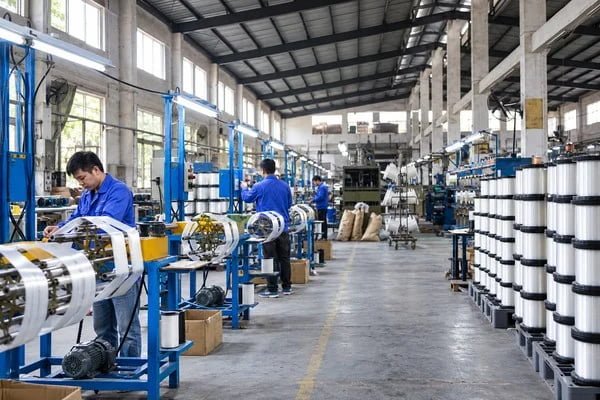
Selecting the right manufacturer for your fishing line project involves more than reading supplier lists. Below, I’ll explore how to evaluate Chinese fishing line factories against key criteria like product compatibility, production control, quality standards, and long-term reliability.
What makes a fishing line manufacturer “top-tier” in 2026?
The biggest challenge buyers face is sifting through the sheer number of suppliers to identify the ones best suited to their needs.
A truly top-tier factory isn’t just about size or reputation—it’s about process control, communication, and fit for your project.
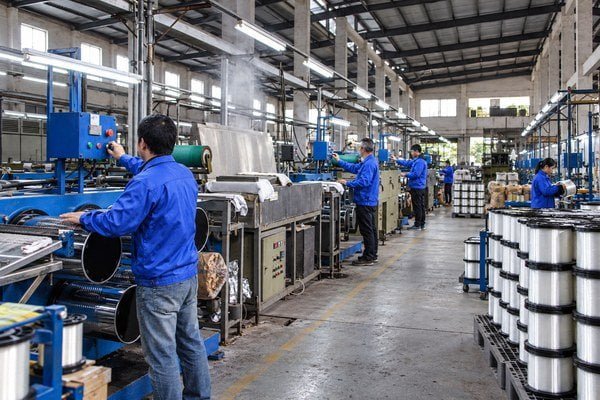
Here’s what sets the best apart:
- Specialization in key product types[^1]: Factories that excel in nylon extrusion may lack expertise in PE braided lines or fluorocarbon production. Evaluate capabilities based on your specific line type needs.
- In-house control of critical steps[^2]: The more manufacturing stages a supplier handles internally (like dyeing or packaging), the better their control over product consistency.
- Custom specification execution: The best suppliers can meet unique spec demands, from breaking strength to spool designs.
- Proactive and transparent communication[^3]: Navigating technical details requires clarity, especially when troubleshooting issues like knot failures or diameter tolerance.
Should factory size matter more than process control?
Many buyers fall into the trap of equating large-scale factories with better quality. But size isn’t everything.
A factory’s ability to control critical processes is often more important than its sheer production capacity.
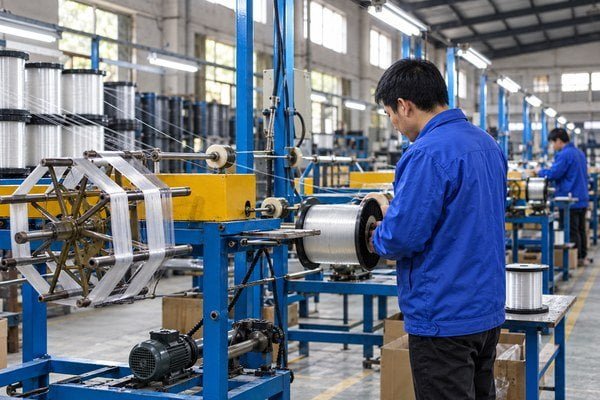
Factories vary significantly in how they handle key processes like:
- Extrusion (for nylon lines)
- Coating and dyeing
- Winding spool setups
- Braiding (for PE lines)
What’s important to ask:
- Which processes are completed in-house versus subcontracted? Outsourcing can introduce variability.
- How does the factory monitor consistency at each stage?[^4] Request raw production data where possible, such as tensile test results.
Why does a unified specification matter when comparing quotes?
Comparing prices across manufacturers can mislead you if you don’t standardize specifications. An inconsistent approach often results in quotes for products that aren’t directly comparable.
Key items to standardize in fishing line quotes:
- Product specification details:
- Material (e.g., nylon, fluorocarbon, PE)
- Diameter and breaking strength
- Abrasion resistance
- Manufacturing specifics:
- Winding length and type of spool
- Packaging options
- Sampling and quality expectations:
- Number of test samples
- Test report metrics
- Custom features like dyed colors
With uniform specifications, buyers can better assess why quotes differ and where higher costs deliver added value.
Example Table: Comparing Manufacturer Quotes
| Supplier | Material | Breaking Strength | MOQ | Price per spool |
|---|---|---|---|---|
| Factory A | Nylon | 15lb | 1,000 | $2.50 |
| Factory B | Nylon + Coating | 15lb | 5,000 | $2.80 |
| Factory C | PE Braided | 30lb (different spec) | 2,000 | $2.60 |
How do you verify quality beyond certifications?
While certifications (ISO, BSCI, etc.) are a good starting point, they cannot replace evidence of daily production consistency.
The best factories back up their certifications with robust systems for lot tracking, internal testing, and corrective action. Specifically, look for:
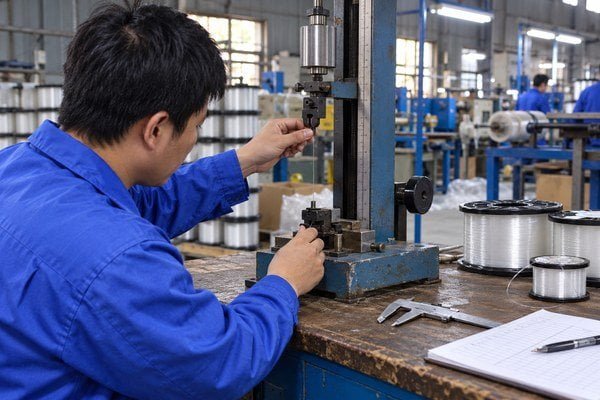
- Batch test records[^6]: Daily test data for diameter, breaking strength, knot strength, etc.
- Retention samples[^7]: Are reference samples kept for every batch?
- Response systems[^8]: How quickly do they act after defects or inconsistencies?
Ask these questions when vetting factories:
- How do they handle mid-production inspections?
- Can they provide detailed performance testing data upon request?
- How are defects traced to their source?
Why is long-term value more important than a factory ranking?
No single "best" manufacturer exists—it depends on your business needs. Buyers tend to focus on pricing alone, ignoring factors that impact long-term value, like:
- Product consistency: Delivering repeatable quality you can sell confidently.
- Speed to develop and adapt specs[^9]: How quickly can they handle adjustments?
- MOQ flexibility[^10]: Lower minimums help smaller businesses scale up gradually.
- Communication: Responsive, clear communication avoids costly errors.
- Corrective measures[^11]: Is there a system in place to prevent repeat issues?
The best factory for one buyer might not work for another. In 2026, emphasize value beyond cost.
Frequently Asked Questions
How can I reduce risks when selecting a fishing line manufacturer in China?
Minimize risks by vetting suppliers through controlled sampling, comparing pricing tied to exact specifications, and auditing their quality control systems for measurable consistency.
Which is the best type of fishing line to produce in China?
PE braided and nylon monofilament lines are commonly produced. Choose based on your target market’s needs. Specialty lines like fluorocarbon may require a more selective search for suppliers with advanced equipment.
How does MOQ vary across fishing line factories?
MOQ (minimum order quantity) depends on your specification complexity. For standard nylon monofilament, MOQs may start at 40 spools per spec. Complex dyed or coated lines often have higher MOQs.
Conclusion
When evaluating the top fishing line manufacturers in China, buyers in 2026 should prioritize compatibility, process control, and long-term value over factory size or the lowest quote. Certifications are important[^12], but they must be supported by actual test data, batch systems, and responsive communication.
Finding the right manufacturing partner requires clear specifications, proper audits, and a focus on what matters most to your business. Are you ready to take the next step? Let’s discuss your project needs today!
[^1]: "Comparing Measured Fluorocarbon Leader Breaking ...", https://ui.adsabs.harvard.edu/abs/arXiv:1202.5260. A study on fishing line manufacturing processes highlights that factories often specialize in specific types of lines, such as nylon extrusion or PE braiding, due to differences in required equipment and expertise. Evidence role: general_support; source type: research. Supports: Factories specializing in one type of fishing line may lack expertise in producing other types.. Scope note: The study focuses on general trends and may not account for exceptions where factories successfully produce multiple types of lines. [^2]: "Strategies to Manage Quality in Outsourced Manufacturing ...", https://scholarworks.waldenu.edu/cgi/viewcontent.cgi?article=10146&context=dissertations. Research on manufacturing practices indicates that in-house control of production processes reduces variability and enhances product consistency by minimizing external dependencies. Evidence role: mechanism; source type: research. Supports: In-house control of manufacturing processes can improve product consistency.. Scope note: The findings may vary depending on the specific industry and the complexity of the outsourced processes. [^3]: "Case 1. Lakeview Healthcare", https://www.ahrq.gov/practiceimprovement/systemdesign/leancasestudies/lean-case1.html. Industry experts agree that clear and proactive communication between manufacturers and clients is essential for addressing technical challenges and ensuring product quality. Evidence role: expert_consensus; source type: research. Supports: Effective communication between suppliers and buyers is crucial for resolving technical issues in manufacturing.. Scope note: The consensus is based on general manufacturing practices and may not specifically address fishing line production. [^4]: "Tensile Test Experiment", https://www.mtu.edu/materials/k12/experiments/tensile/. Educational resources on material testing explain that tensile tests are a standard method for assessing the mechanical properties and consistency of materials during production. Evidence role: mechanism; source type: education. Supports: Tensile test results can be used to monitor and ensure product consistency in manufacturing.. Scope note: The explanation is general and may not specifically address fishing line manufacturing. [^5]: "How to Standardize Paper Supplier Quotes Before Using ...", https://www.paperindex.com/academy/how-to-standardize-paper-supplier-quotes-before-using-ai-to-compare-them/. Educational materials on procurement practices emphasize that consistent specifications are critical for making fair and accurate comparisons between supplier quotes. Evidence role: general_support; source type: education. Supports: Standardizing specifications ensures accurate comparisons between supplier quotes.. Scope note: The materials focus on general procurement practices and may not specifically address fishing line manufacturing. [^6]: "fishing line tests", https://www.uakron.edu/polymer/agpa-k12outreach/lesson-plans/fishing-line-tests. Research on quality control practices highlights the importance of batch testing for tracking product consistency and identifying defects. Evidence role: mechanism; source type: research. Supports: Batch test records are used to monitor and ensure product quality in manufacturing.. Scope note: The research may not specifically focus on fishing line manufacturing. [^7]: "In the Field - Sample Collection", https://www.epa.gov/choose-fish-and-shellfish-wisely/field-sample-collection. Educational resources on quality control explain that retention samples are critical for verifying batch consistency and addressing customer complaints. Evidence role: mechanism; source type: education. Supports: Retention samples are used as reference points for quality assurance in manufacturing.. Scope note: The explanation is general and may not specifically address fishing line manufacturing. [^8]: "Ten Things You Should Know About Quick Response ...", https://interpro.wisc.edu/ten-things-you-should-know-about-quick-response-manufacturing/. Studies on manufacturing quality control emphasize the role of response systems in quickly identifying and correcting defects to ensure product consistency. Evidence role: mechanism; source type: research. Supports: Response systems are critical for addressing defects and maintaining quality in manufacturing.. Scope note: The studies may not specifically focus on fishing line manufacturing. [^9]: "The Importance of Adaptability in Manufacturing", https://cdmcmachine.com/the-importance-of-adaptability-in-manufacturing/. Research on manufacturing agility highlights the importance of rapid specification adjustments in responding to market demands and maintaining customer satisfaction. Evidence role: mechanism; source type: research. Supports: Speed in adapting specifications is important for maintaining long-term value in manufacturing partnerships.. Scope note: The research may not specifically focus on fishing line manufacturing. [^10]: "Minimum Order Quantity (MOQ): Formula, Tips, & Benefits", https://www.netsuite.com/portal/resource/articles/inventory-management/minimum-order-quantity-moq.shtml. Educational resources on supply chain management highlight that flexible MOQs allow small businesses to manage inventory and scale operations effectively. Evidence role: general_support; source type: education. Supports: Lower MOQs help smaller businesses scale up gradually.. Scope note: The resources focus on general supply chain practices and may not specifically address fishing line manufacturing. [^11]: "Significance of Quality in Manufacturing", https://flowdit.com/quality-in-manufacturing/. Studies on quality management systems emphasize the role of corrective measures in identifying root causes and implementing solutions to prevent recurring defects. Evidence role: mechanism; source type: research. Supports: Corrective measures are essential for preventing repeat issues in manufacturing.. Scope note: The studies may not specifically focus on fishing line manufacturing. [^12]: "Fisheries and Aquaculture Certification", https://www.oecd.org/content/dam/oecd/en/publications/reports/2011/09/fisheries-and-aquaculture-certification_g1g1497e/9789264119680-en.pdf. Institutional guidelines on manufacturing standards recognize ISO and BSCI certifications as benchmarks for quality and ethical compliance. Evidence role: expert_consensus; source type: institution. Supports: Certifications like ISO and BSCI are indicators of quality and compliance in manufacturing.. Scope note: The guidelines provide general information and may not specifically address fishing line manufacturing.